

derstanding the Numbers, Benefits, and Growing Role of Horse Therapy in Autism Care
Equine-assisted therapy has quietly become one of the most compassionate and promising approaches in autism support. While traditional therapies like applied behavior analysis (ABA), occupational therapy, and speech-language therapy remain core components of autism treatment, equine-assisted therapy introduces something uniquely transformative: a deep, nonverbal bond between a child and a horse.
But just how many kids with autism actually use this form of therapy? And why has it gained such recognition among parents, clinicians, and autism specialists?
To answer directly: studies estimate that approximately 6–10% of children diagnosed with autism spectrum disorder (ASD) in the United States have participated in some form of equine-assisted therapy, whether through structured clinical programs or recreational therapeutic riding centers.
Though the exact number is hard to quantify, given that many equine programs are privately run and data is fragmented, the growing prevalence suggests a steady rise in both accessibility and medical interest.
In this article, Our Family Lifestyle reviews how families, clinicians, and researchers alike are recognizing how profoundly horses can support the sensory, emotional, and behavioral growth of children on the autism spectrum.
Why Equine Assisted Therapy Appeals to Families of Children with Autism
Parents often explore equine-assisted therapy after trying traditional clinical interventions that target communication, self-regulation, or sensory integration. Many children with autism experience challenges with social reciprocity, eye contact, and motor coordination.
Horses, by their nature, provide a rhythmic, nonjudgmental form of feedback that encourages calmness and attentiveness. The horse’s steady movement can help children regulate their vestibular and proprioceptive systems—two areas commonly impacted by autism.
For many families, the appeal lies in the atmosphere. Riding arenas and stables feel far removed from clinical offices. Instead of sterile walls and structured behavioral drills, children find themselves outdoors, engaged in a natural, multisensory environment.
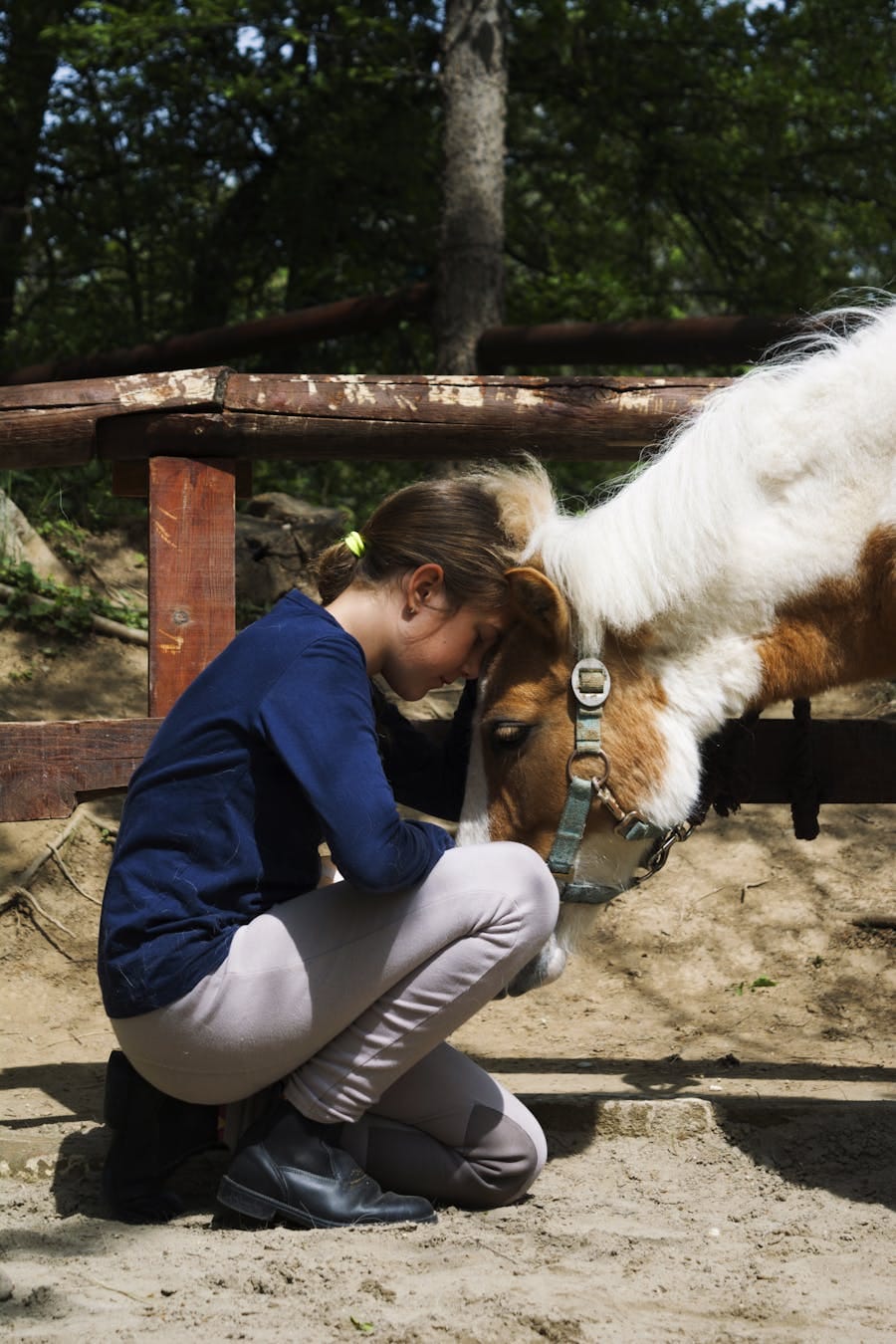
This difference can often make therapy feel less like treatment and more like a connection. As parents describe, their children may speak their first full sentences or show authentic emotional expressions while interacting with a horse.
Understanding the Different Forms of Equine Assisted Therapy
Equine-assisted therapy encompasses several approaches, each emphasizing a different goal. Therapeutic riding focuses on improving balance, coordination, and motor planning through horseback activities led by trained instructors.
Equine facilitated psychotherapy integrates a licensed therapist who uses the horse as part of emotional and behavioral interventions, helping children develop empathy, patience, and self-awareness. Hippotherapy, often administered by physical or occupational therapists, uses the horse’s movement as a treatment tool to improve core strength, posture, and fine motor control.
All three modalities share the underlying principle of relational engagement. Horses mirror human emotion in a way that is subtle but powerful. Children with autism often find it easier to connect with animals than with people because the interaction is based on energy, rhythm, and trust—not complex verbal or social cues.
Estimating How Many Kids Participate in Equine Programs
The Autism and Developmental Disabilities Monitoring Network reports that roughly 1 in 36 U.S. children has an autism diagnosis. With an estimated 2.8 million children meeting diagnostic criteria, the potential reach of equine-assisted programs is enormous.
Currently, there are over 850 centers accredited by the Professional Association of Therapeutic Horsemanship International (PATH Intl.) across the U.S. Surveys conducted by PATH and other adaptive riding associations suggest that children with autism represent about 25–30% of total participants in equine-assisted programs.
If we combine those data points, it’s estimated that roughly 150,000 to 200,000 children with autism in the U.S. have engaged in equine-assisted therapy at least once—whether through short-term recreational riding, structured hippotherapy sessions, or long-term psychotherapeutic programs. These numbers are growing as more clinicians collaborate with equine centers and more insurance plans consider partial coverage under occupational or behavioral therapy categories.
What Makes Horses So Effective for Kids with Autism
The success of equine-assisted therapy lies in the horse’s intuitive ability to mirror human emotion and energy. Children who struggle with emotional regulation often find that horses respond to their internal state. If a child becomes anxious or frustrated, the horse may slow down or stop, reflecting that tension. This immediate feedback helps children recognize their emotional state in real time—a foundational step in developing self-awareness and regulation.
Moreover, horses operate entirely in the present moment. They do not judge, correct, or demand verbal communication. This creates a safe, responsive space for children who may feel overwhelmed by human expectations. The combination of movement, mindfulness, and connection allows the brain to form new sensory pathways, supporting improvements in coordination, attention, and even language development.
Integrating Equine Therapy into Broader Treatment Plans
Most families do not use equine therapy as a standalone intervention. Instead, it complements other forms of care such as occupational therapy, behavioral therapy, and social skills training. In many cases, equine sessions reinforce the same therapeutic goals—such as emotional regulation or sensory balance—but in a more embodied and experiential way.
For example, a child working on sequencing tasks during ABA therapy may practice those same skills while grooming a horse or preparing riding equipment. The process transforms abstract lessons into tangible, meaningful experiences. Some programs, including Ingrained Recovery in Georgia, have embraced integrative approaches where equine therapy aligns with behavioral health principles and trauma-informed care, ensuring that the emotional benefits extend beyond the riding arena.
Insurance Coverage and Accessibility Challenges
One of the main barriers to broader participation remains cost and insurance coverage. Equine-assisted therapy can range from $75 to $150 per session, depending on the structure and clinical involvement. While most insurance providers classify it as a complementary or recreational service, progress has been made in recognizing its therapeutic value. When equine therapy is prescribed as part of occupational therapy or physical therapy, certain insurance plans may cover a portion of the cost.
Families should discuss options with their healthcare provider or case manager to determine whether the therapy can be billed under existing codes for sensory integration, balance training, or behavioral intervention. Additionally, many accredited centers offer scholarships or community sponsorships to make sessions accessible for families with limited financial means.
What the Research Says About Outcomes
While the scientific literature on equine-assisted therapy is still developing, several peer-reviewed studies have reported meaningful improvements in social motivation, sensory seeking behavior, and language initiation among children with autism who participated in equine-based interventions.
Researchers have observed that these benefits often persist beyond the therapy sessions, suggesting that equine interaction may help rewire neural patterns associated with communication and self-regulation.
In one notable multi-year study, children receiving equine therapy showed sustained improvements in irritability, social cognition, and hyperactivity compared to control groups. Though results vary, the trend is consistent: equine therapy provides measurable psychosocial and functional benefits, especially when integrated within a comprehensive, multidisciplinary care plan.
Parental Perspectives: Beyond Clinical Outcomes
Numbers and data are valuable, but the true measure of equine-assisted therapy’s impact often comes through parent testimony. Many describe transformations in their child’s demeanor and daily functioning.
Children who were once withdrawn begin initiating interaction, maintaining eye contact, or expressing affection for the first time. Parents often report that the calm and confidence their child gains during equine sessions extends into home and school environments.
For families navigating the complexities of autism, these small milestones carry enormous weight. The connection between horse and rider fosters not only therapeutic progress but also emotional healing for parents who may have struggled to find interventions that truly resonate with their child’s needs.
The Future of Equine Assisted Therapy in Autism Treatment
The future of equine-assisted therapy looks promising. As more evidence emerges and interdisciplinary collaborations expand, clinicians are finding new ways to integrate equine-based activities into evidence-based autism care. Programs that blend behavioral science, physical rehabilitation, and experiential learning are paving the way for formal recognition within clinical frameworks.
Increasingly, comprehensive treatment centers are partnering with certified equine specialists to provide consistent, goal-oriented therapy sessions. Some, like a leading residential treatment program in the behavioral health field, have developed specialized curricula where equine therapy supports social-emotional learning, trauma recovery, and developmental growth for children and adolescents.
A Growing Path of Connection and Hope
When families ask how many kids with autism use equine-assisted therapy, the answer extends beyond numbers. It represents thousands of children who, through patient and profound connection with horses, are learning to communicate, regulate, and trust in new ways. What began as an alternative therapy has evolved into a respected component of holistic autism treatment.
As awareness grows and accessibility improves, more children will have the opportunity to experience the balance, empathy, and confidence that emerge from time spent in the company of horses. For many families, equine-assisted therapy is not just a form of treatment—it is a bridge between silence and self-expression, a quiet space where healing feels natural, and progress unfolds in rhythm with a horse’s steady steps.


