
The Art of Floral Arranging: Simple Tips for Beautiful Home Displays
Unlock the beauty of floral arranging. Learn how to create stunning displays with simple tips and the right materials.
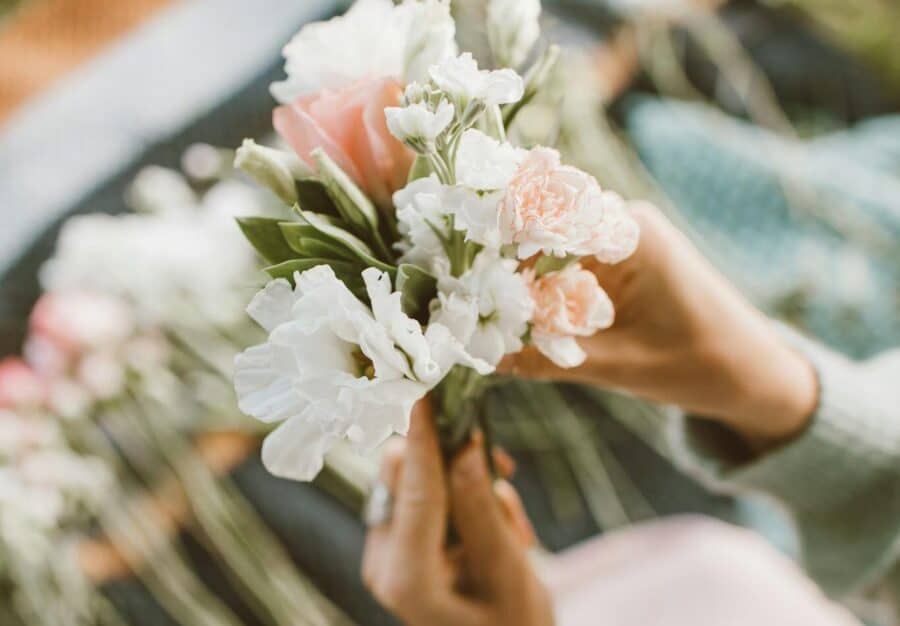
Floral arrangements have a timeless charm that adds life, color, and warmth to any home. You don’t have to be a professional florist to create beautiful displays.
With a little guidance and the right materials, anyone can master the art of floral arranging.
It doesn’t matter if you're preparing a bouquet for your dining room table or adding seasonal cheer to your entryway; this guide offers easy, practical tips to bring your floral visions to life.
Start With the Right Foundation
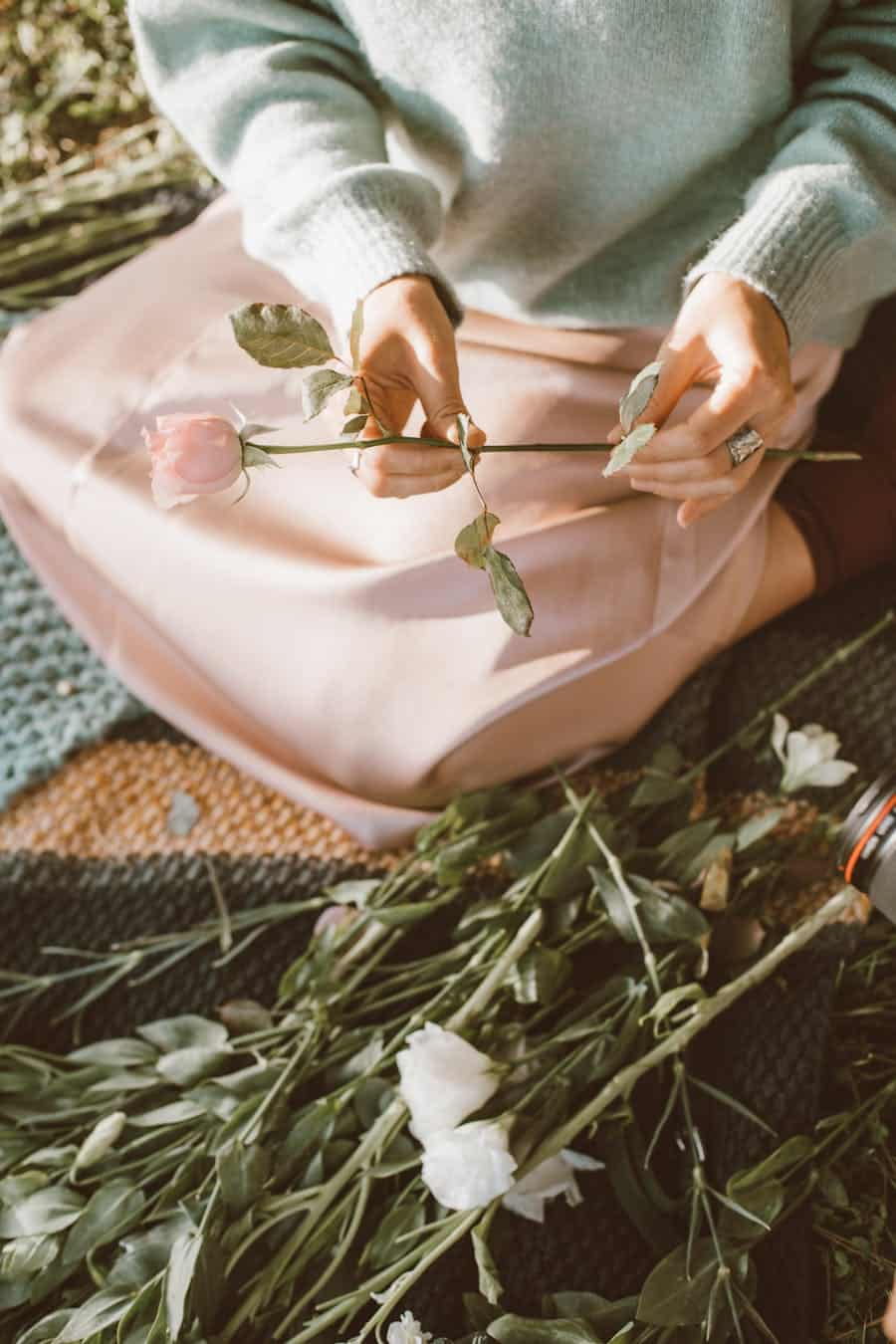
Every great floral arrangement begins with a good foundation. This includes selecting the right container and creating a structure to support your flowers.
Use floral foam, a floral frog, or a grid of floral tape across the mouth of your vase to hold your stems in place. These tools help keep your flowers where you want them and make arranging much easier.
Choose a vase or container that complements your flowers and fits the space. A tall, narrow vase works well for long-stemmed blooms like lilies or gladiolus, while a short, wide container is better suited for fuller arrangements with hydrangeas, peonies, or ranunculus.
Pick a Color Scheme That Speaks to You
Color coordination plays a big role in floral design. You can choose a monochromatic palette for a chic, modern look, or go for complementary colors for more contrast and vibrancy.
Think about the atmosphere you want to create. Soft pastels are calming and elegant, while bold hues like red and orange bring energy and warmth.
Don’t be afraid to mix unexpected colors, especially when working with seasonal blooms. Nature often offers the best inspiration, so let the changing seasons guide your choices.
Combine Textures and Shapes
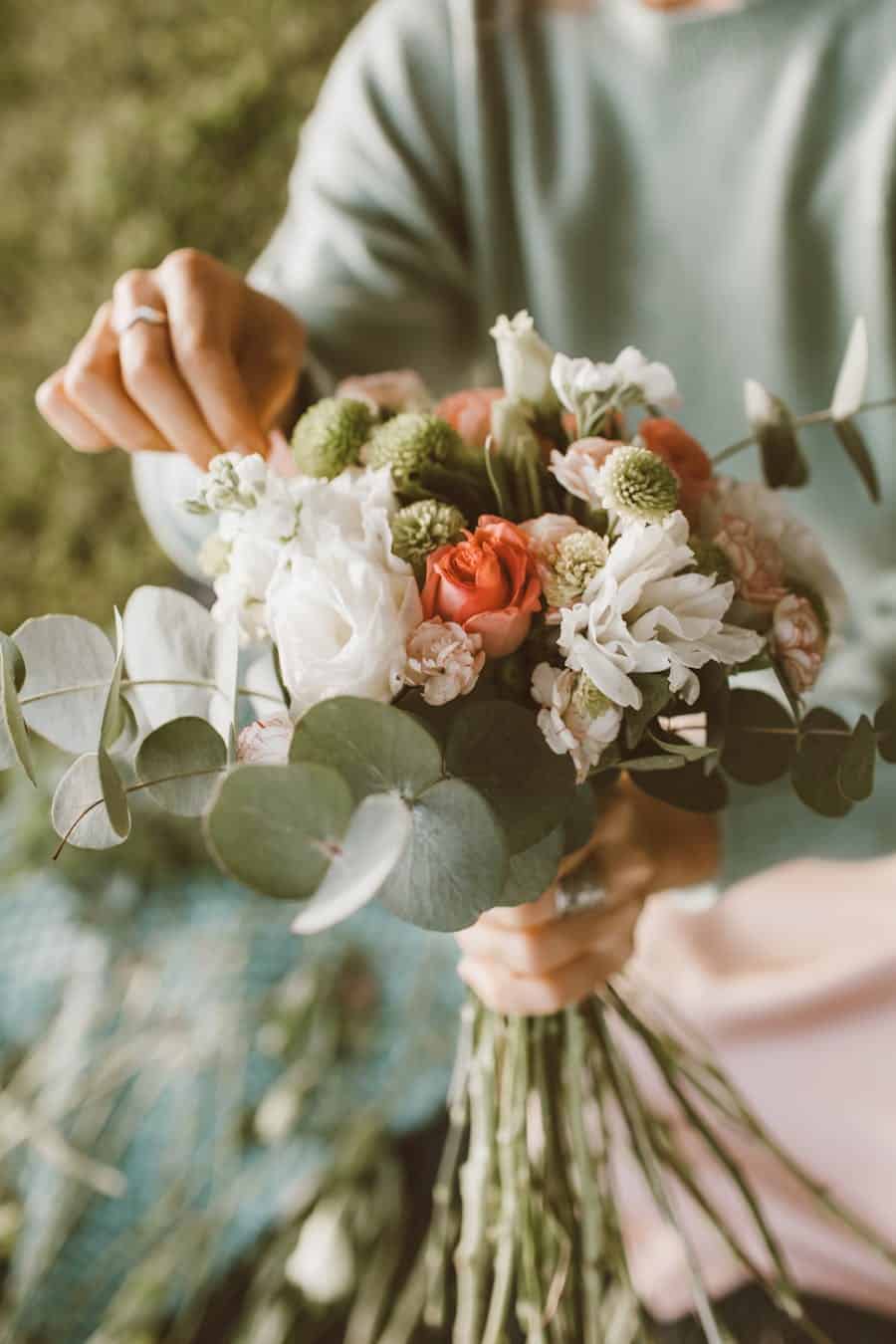
An appealing arrangement uses a mix of flower types, shapes, and textures. Pair large focal flowers like dahlias or sunflowers with smaller accent flowers such as spray roses or wax flowers. Use greenery like eucalyptus or ferns to add structure and flow.
Adding various textures keeps the arrangement from looking flat. Contrast smooth petals with spiky fillers or fluffy blooms with crisp leaves. This variation adds depth and dimension, making your display feel more dynamic and alive.
Embrace the Rule of Threes
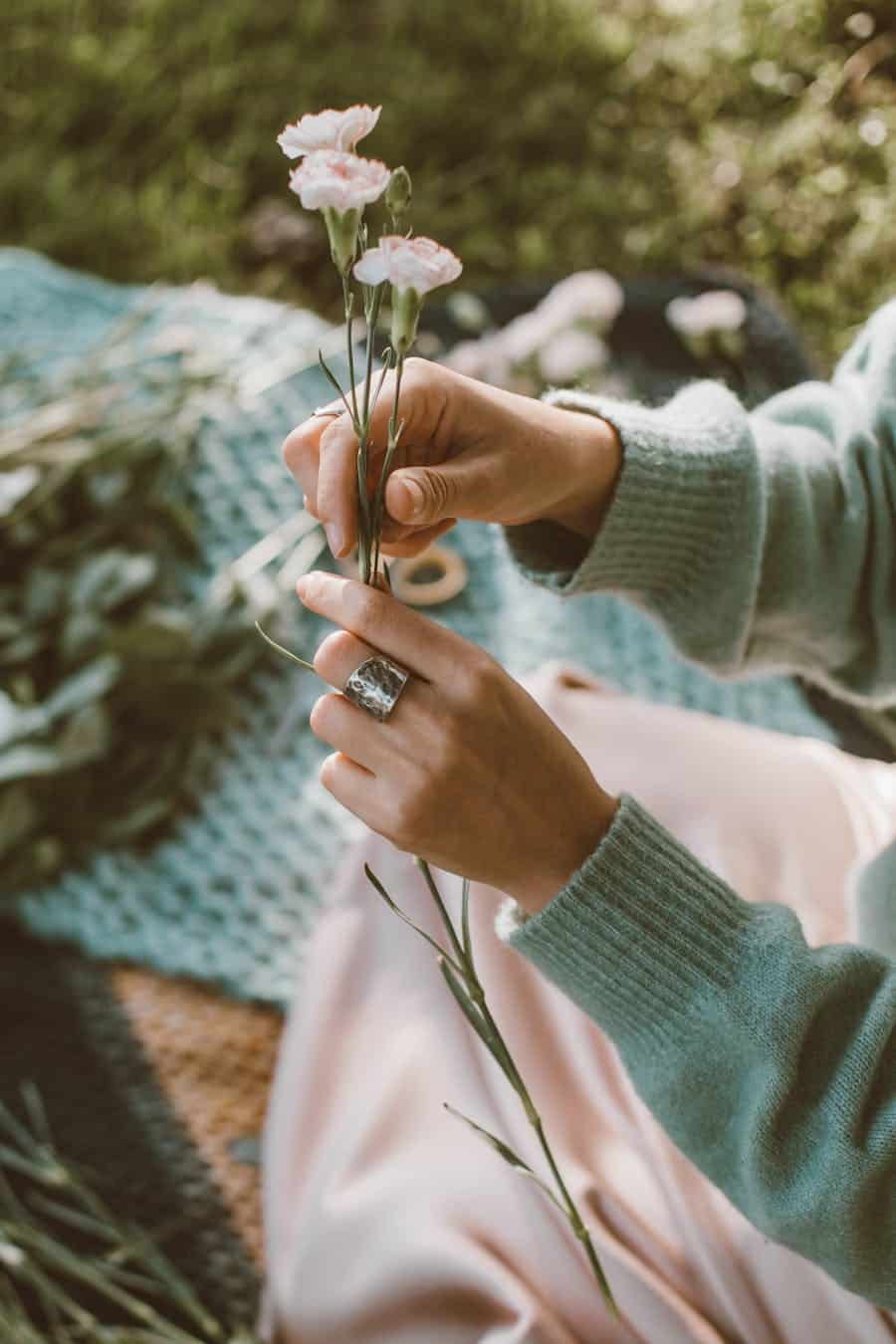
The "rule of threes" is a tried-and-true principle in floral arranging. Group flowers in odd numbers, typically threes or fives, to create natural balance and visual interest.
Arrangements that follow this rule tend to feel more organic and less rigid.
Cluster your focal flowers in threes and scatter them through your design at different heights and angles. This encourages the eye to move around the arrangement and gives it a more relaxed, garden-inspired feel.
Vary Your Heights for Visual Movement
Speaking of heights, one of the easiest ways to make your arrangements more visually engaging is by varying the height of your flowers.
Avoid cutting all your stems to the same length. Instead, let some flowers tower slightly above the rest while others stay lower and closer to the base.
This technique mimics how flowers grow in nature and adds movement and flow to your display. Taller stems should be in the center or at the back (depending on your viewing angle), with shorter stems filling out the edges.
Don’t Overcrowd
Less is often more when it comes to floral design. Give each flower room to breathe by leaving space between blooms. This makes each element stand out and keeps your display from feeling too busy.
Use negative space intentionally. A bit of openness allows light to filter through the arrangement, making it feel airy and fresh.
Go Faux for Long-Lasting Displays
While fresh flowers have their own beauty and scent, they require regular upkeep and don’t last long. Silk flowers offer a maintenance-free alternative and can be just as stunning with the right styling.
They are ideal for home decor, especially in areas with low light or for people with allergies.
For a curated selection of realistic silk flowers that make beautiful and lasting arrangements, check out jamaligarden.com. Their range allows you to enjoy floral beauty year-round without worrying about wilting petals or water changes.
Seasonal Inspiration for Every Room
Your floral arrangements can reflect the time of year and the mood you want to create in each space. In spring, embrace soft blooms like tulips and daffodils.
Summer calls for bold, bright flowers such as zinnias or sunflowers. Autumn arrangements look great with chrysanthemums, marigolds, and seasonal leaves, while winter displays can feature evergreens, berries, and white blossoms for a festive feel.
Place smaller arrangements in bedrooms, bathrooms, and entryways to add little moments of joy throughout your home. Larger displays work well in living rooms, dining areas, or on mantels.
Keep Your Flowers Fresh
If you’re working with fresh blooms, take steps to prolong their life. Trim stems at an angle before placing them in water.
Remove leaves below the waterline to prevent bacterial growth. Refresh the water every couple of days and re-trim stems as needed.
Placing your arrangement away from direct sunlight, heating vents, and ripening fruit (which emits ethylene gas) can also extend the freshness of your display.
Practice Makes Perfect
Like any form of art, floral arranging improves with practice. Don’t be discouraged if your first few attempts don’t look like magazine spreads.
Experiment with different styles, flower types, and techniques. Over time, you’ll develop a personal flair and eye for balance and color.
Conclusion
Floral arranging is a joyful and creative hobby that brings beauty into your everyday life. With a few simple principles and the right materials, you can transform even ordinary flowers into stunning displays that enhance your home.
Whether you're using fresh or silk blooms, let your creativity lead the way and enjoy the process of making something beautiful. Happy arranging!


